
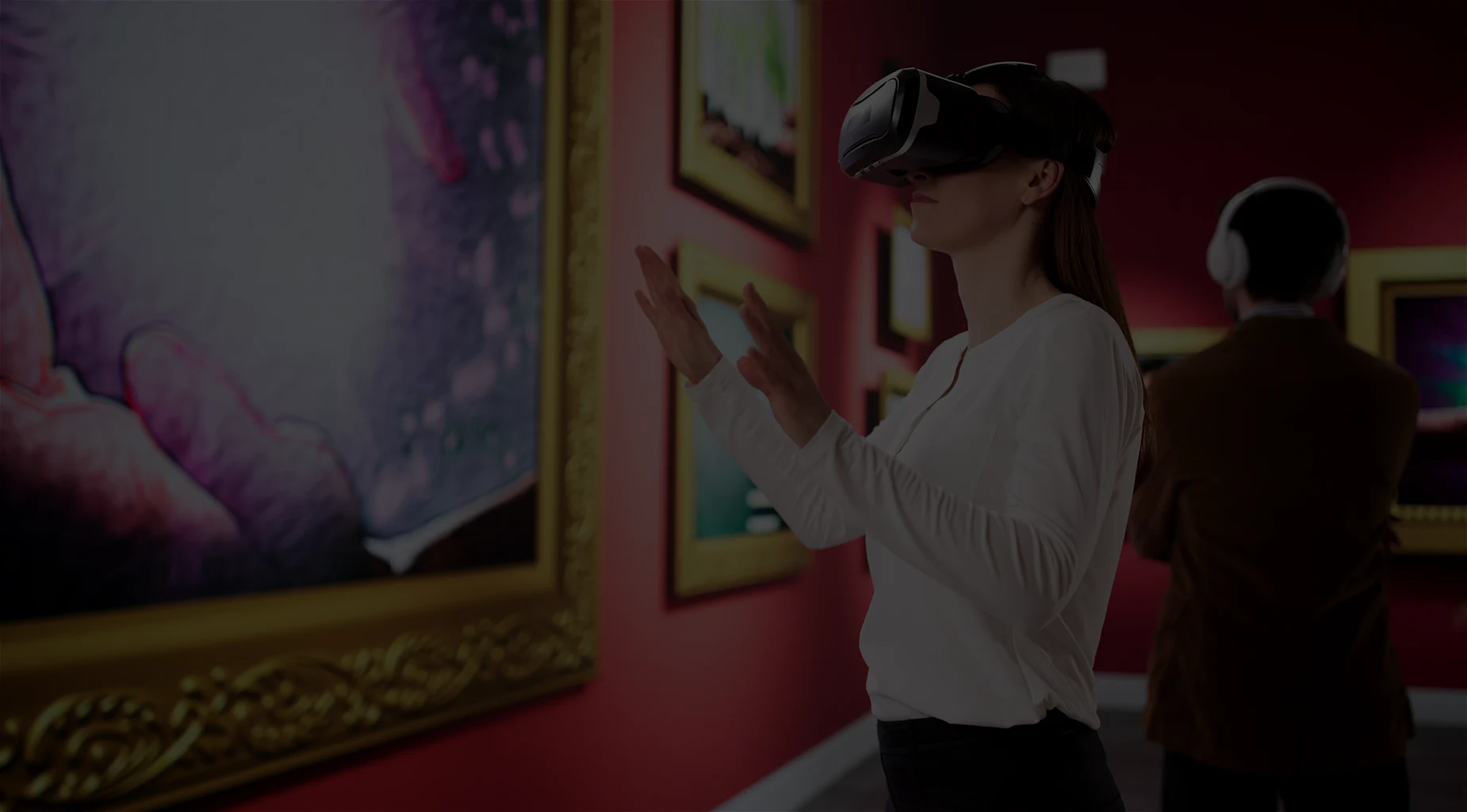
Visual innovation
Contemporary artistic movements and cultural impact

Evolution of visual techniques
Abstract expressionism reshaped the canvas through vigorous gestures and emotional intensity. Artists abandoned realistic representation to focus on the raw power of color and form. Cubism fractured perspective, forcing the viewer to assemble fragmented realities into a cohesive whole. Surrealism bypassed logic to tap into the subconscious mind through dreamlike imagery. Minimalist approaches stripped away excess to reveal the purity of geometric structure. Mixed media compositions now challenge traditional boundaries between sculpture and painting.
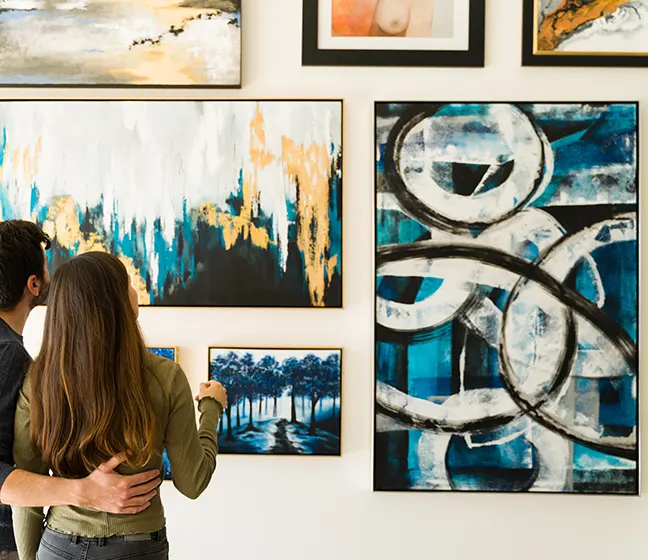
Bringing modern art into your home
Collectors and enthusiasts explore artworks that transform living spaces. These pieces blend aesthetics with personal expression, turning walls and corners into cultural statements.
Understanding the artistic context enhances appreciation and inspires unique home curation.
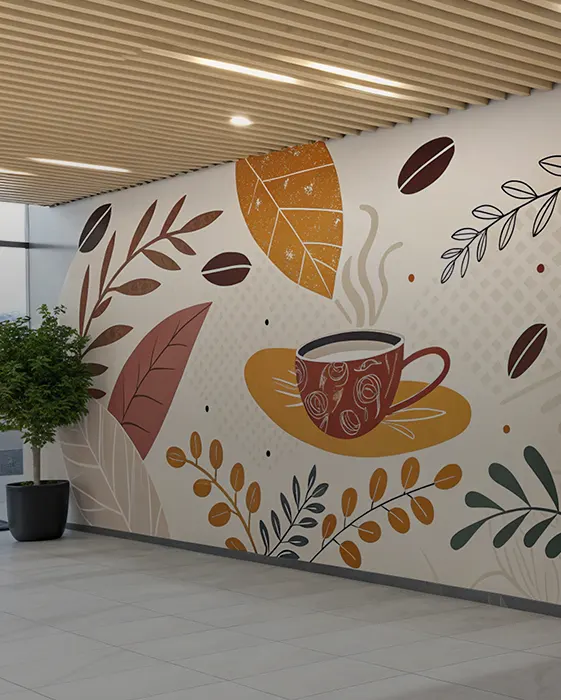
Wall murals & illustrations
Large-scale murals redefine interiors with bold colors and narratives. Illustrations convey mood and style, allowing homeowners to express personality while integrating contemporary trends seamlessly into everyday spaces.

Sculpture & 3D art
Sculptural pieces create focal points that interact with light and perspective. Materials ranging from metal to resin bring texture and dimension, engaging viewers and enhancing the spatial dynamics of any room.

Textile art & tapestry
Handcrafted tapestries and textile artworks introduce warmth and texture to interiors. Patterns and fibers tell stories, merging tradition with modern design, and offering versatile decor solutions that evolve with the home.
Celebrating iconic signature pieces
Signature artworks define artistic movements and transform spaces. From Kandinsky’s abstract explosions in Composition VII to Brâncuși’s soaring Bird in Space, each piece captures imagination and emotion. Kusama’s Infinity Mirrored Room immerses viewers in infinite reflections, while Nevelson’s Wall Reliefs bring sculptural drama to any environment.

Composition VII – Kandinsky
Kandinsky’s masterpiece combines vibrant colors and dynamic shapes to evoke spiritual resonance. Its abstract composition invites contemplation, making it a focal point in any collection.

Bird in Space – Brâncuși
Brâncuși’s streamlined sculpture embodies motion and elegance. The polished form captures light and space, transforming a room with minimal yet powerful presence.

Infinity Mirrored Room – Kusama
Kusama’s installation immerses viewers in endless reflections. Its interactive nature blurs boundaries between art and audience, creating a mesmerizing, participatory experience.

Wall Relief – Nevelson
Nevelson’s sculptural collages turn found objects into dramatic compositions. Their monochromatic textures and layered depth add visual intrigue and sculptural elegance to interior spaces.
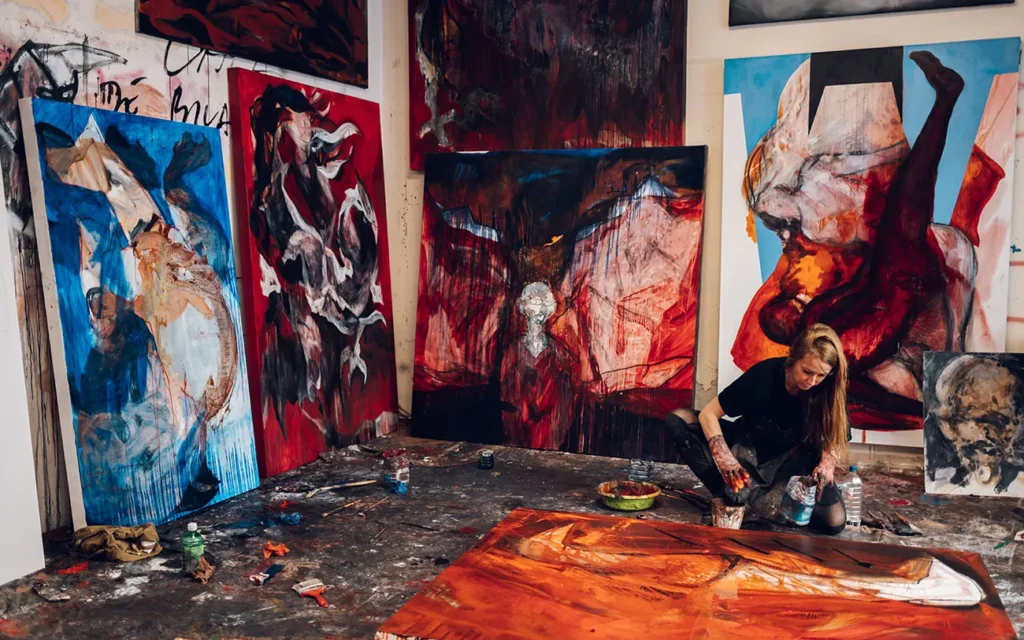
Modern artists and techniques
Modern artists explore new forms and techniques to push the boundaries of visual expression. From abstract painting to sculptural experimentation, creators like Gerhard Richter, Yayoi Kusama, and Ai Weiwei challenge perception and engage audiences. Each technique, whether layering paint, manipulating space, or using mixed media, offers a fresh perspective on contemporary art.
Innovative methods in modern art
Techniques such as drip painting, immersive installations, and digital media redefine how art interacts with viewers. Artists experiment with materials, light, and form to create dynamic, engaging experiences. These methods expand artistic vocabulary, inspiring both audiences and future creators to reimagine the possibilities of modern visual expression.
World-famous museums and exhibitions
Museums like MoMA, Tate Modern, and Centre Pompidou define the landscape of contemporary art. They showcase iconic works, highlight emerging artists, and offer visitors immersive experiences. Each institution blends historical preservation with innovative exhibition design, shaping how audiences engage with art globally.
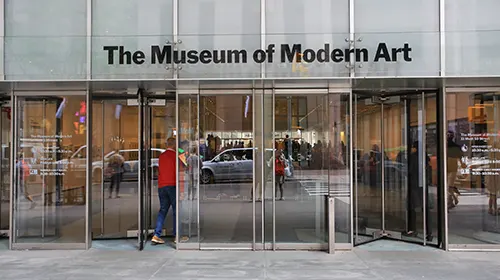
Museum of modern art – New York
MoMA presents an unparalleled collection of modern and contemporary masterpieces. Its curated exhibitions include painting, sculpture, design, and multimedia, providing deep insights into artistic innovation and cultural evolution.
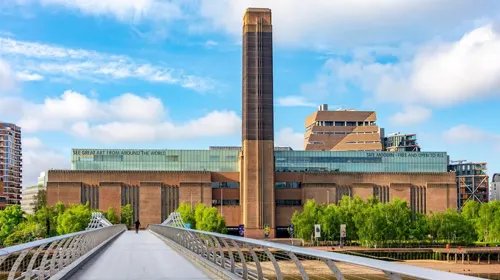
Tate Modern – London
Tate Modern transforms a former power station into a hub for contemporary art. Large-scale installations, interactive exhibits, and rotating collections challenge conventions and encourage dynamic audience engagement.

Centre Pompidou – Paris
Centre Pompidou combines modern art with architecture, housing extensive collections of painting, sculpture, and multimedia. Its exhibitions explore avant-garde movements, offering visitors a dialogue between past and present creativity.